
Furniture & Hardware
Furniture & Hardware
Aluminium extrusions serve both modern furniture design and precision hardware applications. In furniture, they are used for frames, support structures, decorative elements, modular shelving, office furniture, seating frames, display systems, wall-mounted partitions, and architectural interior elements. In hardware, they encompass door/window hardware, hinges, channels, handles, mounting brackets, cable management systems, T-slot/V-slot mounting systems, and standardized components for larger systems. Aluminium’s sustainability, recyclability, and corrosion resistance align with trends toward circular economy principles and high-precision manufacturing.
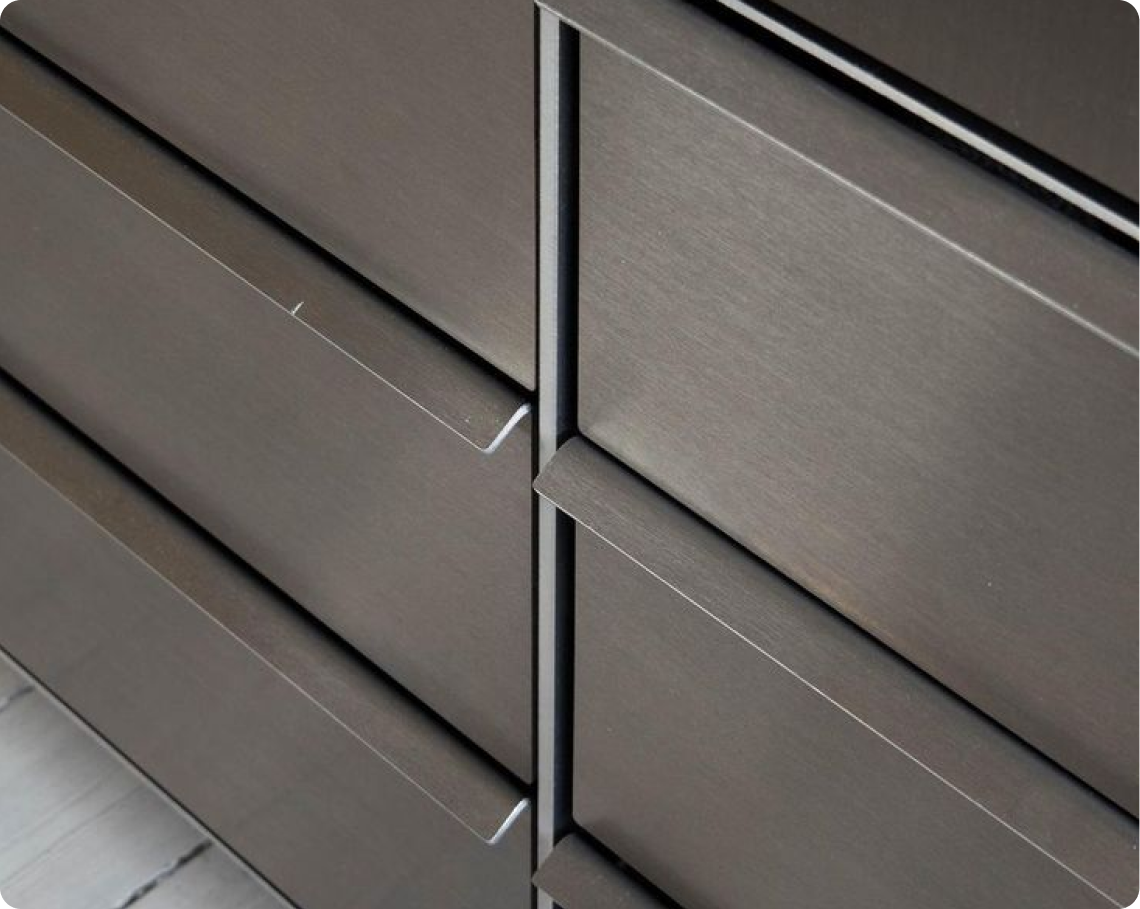
Typical Aluminium Alloys Used
- 6063-T5/T6 : Industry standard for furniture extrusions and most hardware applications; excellent surface finish, easy anodizing/machinability, and good strength for frames and channels.
- 6061-T5/T6 : Structural supports, load-bearing furniture components, and heavy-duty hardware.
- 3003-H14 : Non-heat-treatable alloy for furniture decorative trim and non-structural hardware elements.
- 5083 : Marine-grade hardware for coastal installations.
Common Profiles & Applications
- Furniture : Office furniture frames, modular shelving, seating frames, display systems, wall-mounted partitions.
- Hardware : Hinges, handles, T-slot/V-slot channels, rectangular tubes, cable trays, wire management channels, mounting brackets.
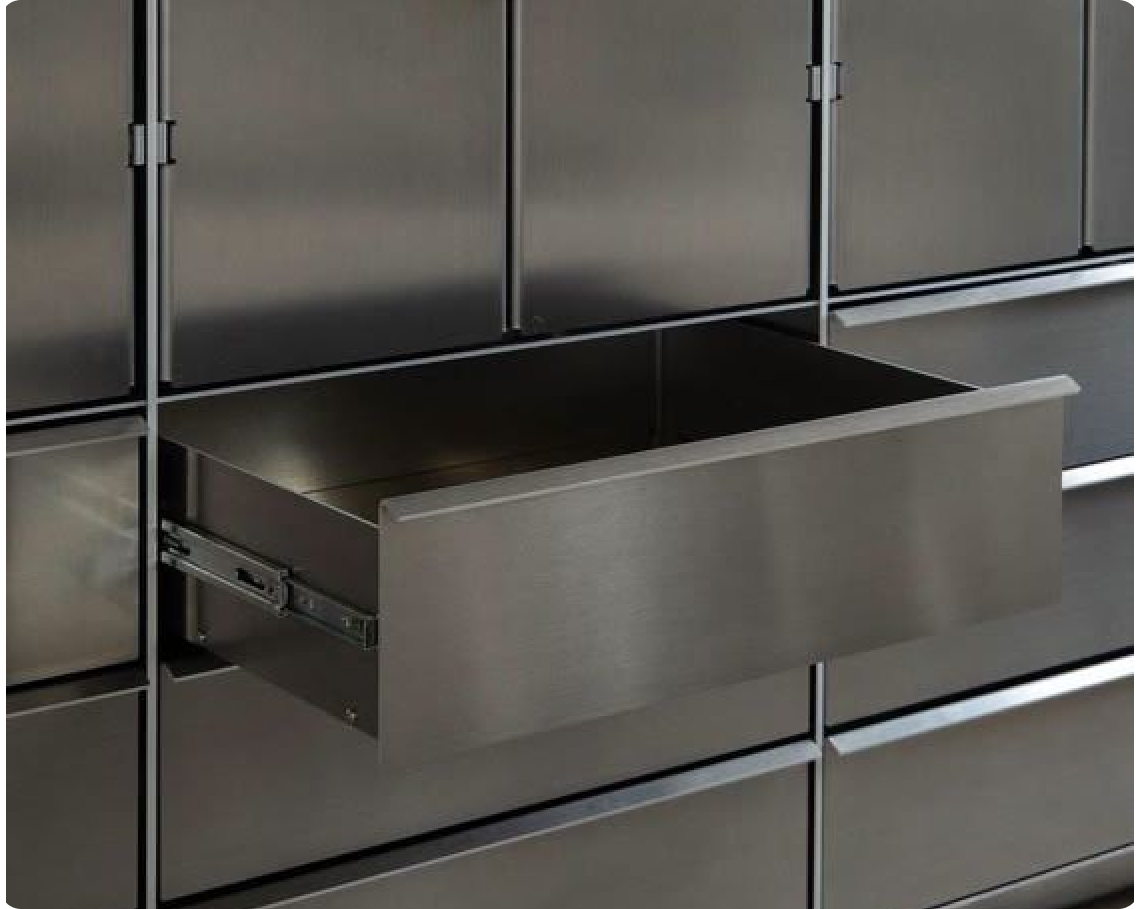
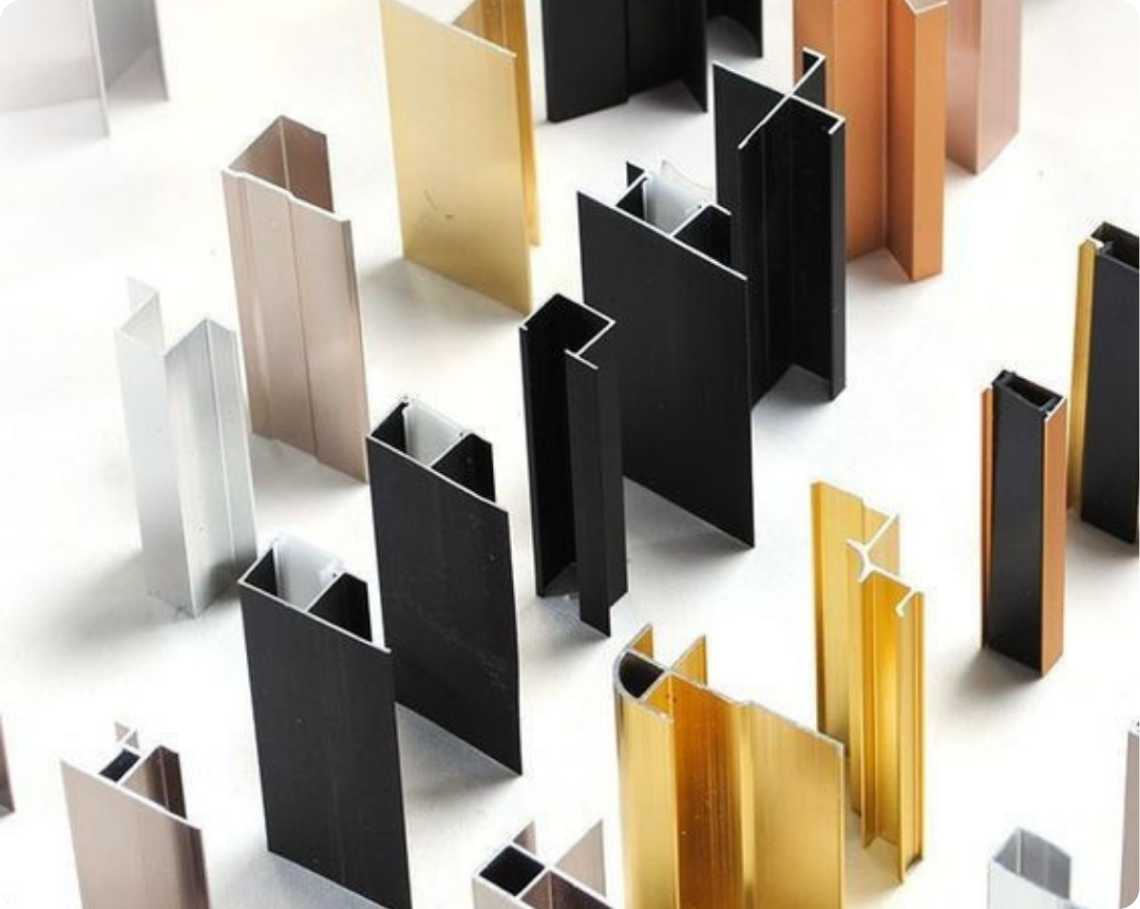
Finish Specifications
- Clear anodize (natural silver appearance)
- Black, bronze, or custom anodized finishes
- Powder coat in full architectural colour palette
- Raw mill finish with protective coatings
- Baked enamel finishes for specialized applications
Market Outlook : Furniture aluminium extrusion market growing at 8-11% CAGR globally, with design-forward/sustainable segments at 12-14% CAGR. Hardware/accessory extrusions growing at 6-8% CAGR, with value-added products (smart components, specialty finishes) at 10-12% CAGR in developed markets.